
WeCare Recovery Home is inviting the community to its third annual WeCare Gala on Friday, February 27, 2026, an evening leaders say is critical to funding a year‑long recovery program for women in Clinton County.

The WeCare Gala 2026 will be held at 51 West Event Center in downtown Frankfort, with doors opening at 5:30 p.m., dinner at 6 p.m. and the program expected to wrap up around 8 p.m. All proceeds support WeCare Recovery Home, a 12‑month, Christ‑centered residential recovery program for women, now in its seventh year. Individual tickets are $75, a two‑ticket bundle is $125, and a table for eight is $500, with tickets and sponsorships available through the organization’s website.
“We’re just excited to sell out our tickets and have a full house, and I think we’re going to have a lot of fun,” said Executive Director Jeff Stafford. Ticket information is available at WeCareRecoveryHome.org.
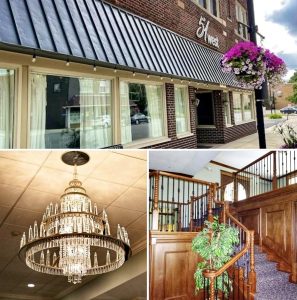
A fundraiser tied to visible change
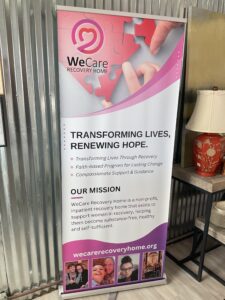
Organizers describe the gala as the home’s largest fundraiser of the year and a key opportunity to update residents on what Stafford called “truly miracles” happening inside the program and around Frankfort. Over six to seven years, WeCare has graduated 25 women from its 12‑bed system, including a main home and a transition house, with many now working, studying and volunteering locally. “When you support WeCare, you’re supporting our community and you’re supporting women who are trying to rebuild and make their lives better,” Stafford said.
Program impact and recovery stories
WeCare Recovery Home serves women recovering primarily from drug addiction, with some residents also struggling with alcohol use. Stafford said many women arrive after years of substance use, time in jail and, in some cases, multiple overdoses. “When they first come to WeCare, they just look like they’re so rundown and the world has just beaten them down,” he said. “And then just within a matter of months and a year, their eyes are brighter. They’re smiling.”
According to Stafford, graduates are now employed in local businesses, nonprofits and other community organizations, with several completing college degrees or currently enrolled in higher education. One graduate has worked as a peer recovery coach, and another is studying psychology “because she wants to help people that were in the situation that she was in,” he said. He added that it reflects a broader pattern he has seen in recovery work: “We help one person and then that one person goes out and helps five or 10 other people…pretty soon you have an army.”
How the program works
WeCare operates as a small, highly personalized program with 10 beds in the main home and three residents currently in a transition home that serves as a next step toward independent living. The organization charges program fees to help cover costs but works with residents on payment plans; women typically begin working full‑time shortly after entering the program, while also participating in mental health care, classes and financial counseling tailored to their needs.
Stafford emphasized the program’s Christ‑centered approach, noting that residents are asked about their willingness to attend church, participate in daily prayer and engage in spiritual practices as part of their recovery plan. “We like to say Christ centered because that’s where we are,” he said.
Hope Collective and community connections
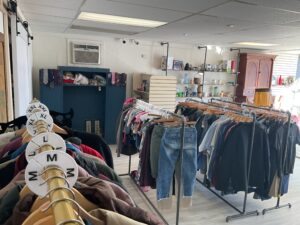
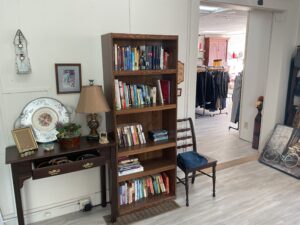
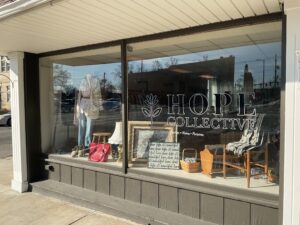
In addition to the residential program, WeCare has launched Hope Collective, a mission‑based resale boutique at 60 West Clinton Street at the corner of Clinton and Columbia streets in downtown Frankfort. The shop offers low‑cost, high‑quality clothing, housewares and artistic pieces, with proceeds helping fund WeCare’s operations and provide job readiness experience for women in recovery. “We keep the prices low, we keep the quality high, and so we’re providing that as a service and a way to connect with the community,” Stafford said.

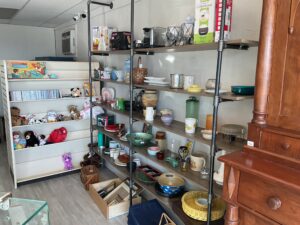
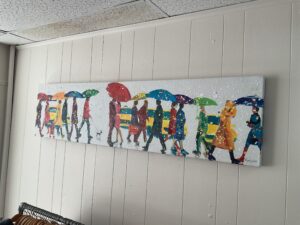

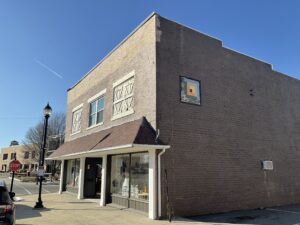
Stafford said he believes efforts by WeCare and other agencies are contributing to improved public‑safety indicators, noting that local data from law enforcement show Clinton County’s crime and overdose rates are now significantly lower than in past years and below state levels. “Something’s working,” he said.
Gala experience and how to attend
This year’s gala will feature dinner catered by Angry Donkey, a Michigantown‑based restaurant returning for its third year with the event, and will be hosted in the historic ballroom space at 51 West. Stafford credited the caterer with helping create an upscale atmosphere, saying, “Their food is incredible. The service they provide is also incredible…They help us create that upscale event experience.”
Tickets and sponsorship opportunities are available at WeCareRecoveryHome.org, where residents can also learn more about the program or explore volunteer opportunities. “We’re always excited to see people coming into the store and talking about how that’s a good outlet for us to talk to people about WeCare that may not know about it,” Stafford said.