
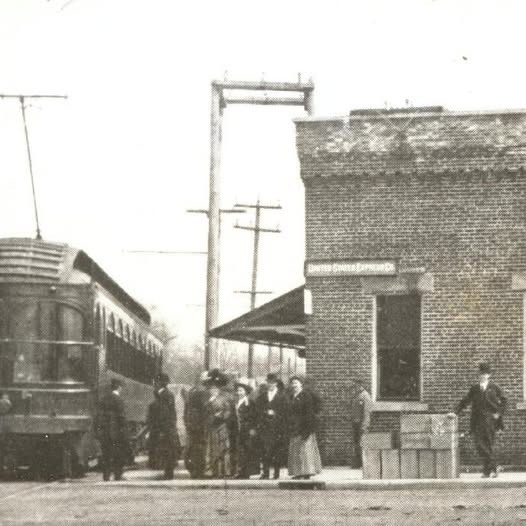
 The Delphi Preservation Society is calling on the community to help preserve one of the city’s most treasured historic landmarks through its “All Aboard! Save the Interurban” campaign.
The effort focuses on restoring Delphi’s historic Interurban Train Station, a structure that once served as a vital transportation hub connecting residents to surrounding communities during the early 1900s.
“More than a building, it’s a story worth saving,” the organization shared in a recent announcement promoting the campaign.
Before highways and automobiles became the primary means of travel, Indiana’s electric interurban railways connected towns and cities across the state. Delphi was served by the Fort Wayne & Wabash Valley interurban line, which linked the community with Logansport, Lafayette, and Fort Wayne from 1906 to 1932.
Construction of the Delphi station began in 1906 near Deer Creek, strategically located where the interurban line entered town. The station allowed passengers easy access to downtown businesses, homes, and workplaces, while a dedicated traction bridge carried the railway across the creek.
Today, the station stands as one of the last remaining reminders of Indiana’s interurban era, but preservation advocates say the historic structure is endangered and in need of community support.
The campaign is about more than restoring a building, organizers say. It is also about honoring Delphi’s history, preserving community identity, and creating a meaningful destination for future generations.
The Delphi Preservation Society envisions the restored station becoming a self-guided museum celebrating Indiana’s interurban railway history and the role it played in shaping local communities. Plans include historical exhibits, authentic artifacts, and educational displays designed to immerse visitors in early 20th-century transportation and daily life.
Community members are invited to learn more about the project and ways to help during a public event scheduled for May 30 from 10 a.m. to noon. Supporters are encouraged to donate, volunteer, and share information about the preservation effort.
“This is a chance to restore a piece of Delphi’s past,” organizers said, “and ensure its story continues for generations to come.”